Source Tow Hook Cover for Trailers, Off-Road, and Towing
Compare 30 tow hook cover options from verified Chinese suppliers. Buyers can evaluate steel and plastic materials, payload capacities up to 16000lbs, and customization features for trailer suspension and off-road applications; compare the available evidence and request quotations based on your requirements.
Key considerations
Products List
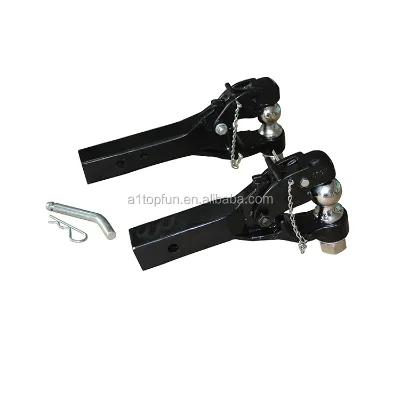
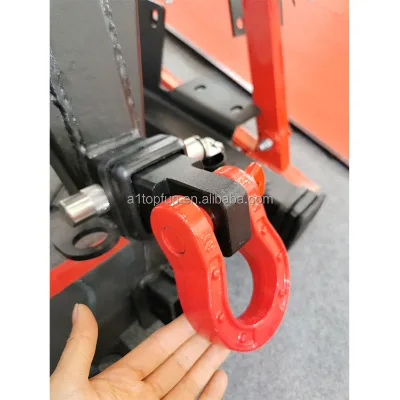


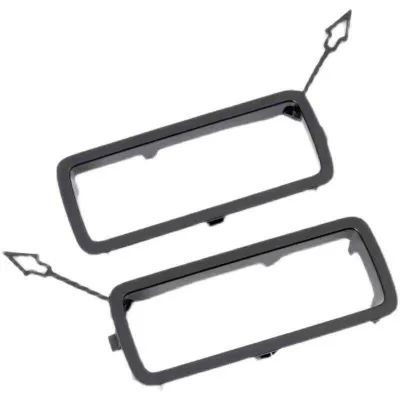




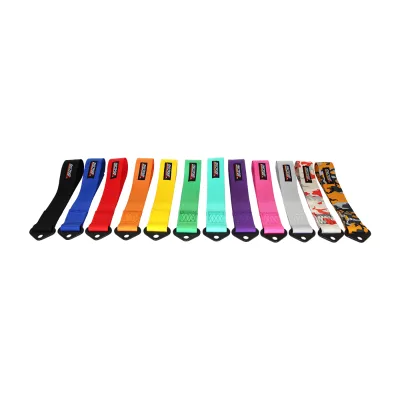


Comprehensive Sourcing Guide
Tow Hook Cover Sourcing Guide
Buyers evaluating tow hook covers must first distinguish between functional protection and structural towing hardware, as the supply chain often lists both under similar search terms. The observed market data indicates a clear split between lightweight plastic covers designed for aesthetic enhancement and heavy-duty steel components intended for actual towing loads. Understanding this distinction is critical before initiating any procurement process, as the material properties and performance expectations for a simple cover differ vastly from those of a pintle hook or suspension part.
Procurement teams should verify whether the specific listing targets the "Tow Hook Cover" application or a broader "Trailer Suspension" category. The available product facts reveal items with weights ranging from 0.04 kg to 20 kg, suggesting a wide variance in intended use cases. A buyer seeking a protective accessory for a front bumper will require different specifications than a fleet manager sourcing heavy-duty steel hooks for off-road recovery, making precise keyword filtering essential to avoid purchasing mismatched inventory.
Product Scope and Observed Listing Signals
The current market listings for tow hook covers demonstrate significant variation in material composition, with options ranging from durable steel to lightweight plastic. Some observed products are explicitly described as "heavy duty Steel" with capacities up to 16,000 lbs, while others are noted as "Plastic" with a weight of only 0.04 kg. This disparity highlights the necessity for buyers to scrutinize the material attribute closely, as a plastic cover offers UV protection and waterproofing but cannot support the mechanical loads that a steel component is designed to handle.
Packaging and dimensional data further define the scope of these products, with single package sizes varying from compact 30x20x7 cm units to larger 45x45x45 cm boxes. The observed weight of individual items ranges from 9 kg to 20 kg for steel variants, indicating substantial shipping volume considerations for bulk orders. Buyers must account for these physical dimensions when calculating freight costs, as the shipping profile of a heavy steel tow hook differs significantly from that of a lightweight plastic cover, directly impacting the total landed cost of the procurement.
Technical Specifications to Verify
When assessing technical requirements, the payload capacity and structural finish are the primary verification points for any towing-related component. The supply data lists specific capacity ratings such as 6,000 lbs and 16,000 lbs, alongside finishes like "Powder" coating and "Black Painted" treatments. Buyers must confirm that the listed capacity aligns with their vehicle's towing specifications, ensuring that the component can safely handle the intended load without structural failure, as exceeding these limits poses a significant safety risk during operation.
Dimensional accuracy and customization options are equally critical, particularly for retrofit applications where fitment is paramount. Observed listings offer sizes like 30x20x7 cm and 92x62x15 cm, with some vendors explicitly stating that dimensions can be customized to specific needs. Procurement teams should verify the exact model numbers, such as TF-G or TF-ZF, against their vehicle's mounting points to ensure compatibility. Additionally, the presence of "Custom" logos and colors suggests that branding opportunities exist, but these must be confirmed against the supplier's minimum order quantity requirements before finalizing the design.
Compliance and Safety Documentation
Safety compliance in the towing sector relies heavily on the verification of recognized international standards and material certifications. The available product facts mention certifications including ISO, RoHS, and CE, which serve as indicators that the manufacturer adheres to specific quality and environmental management protocols. Buyers should request current certification documents to validate that the steel or plastic materials used meet the necessary safety thresholds for automotive applications, ensuring that the product does not contain hazardous substances that could compromise vehicle integrity or operator safety.
Quality assurance processes must also be documented to mitigate the risk of product failure under stress. Listings indicate that items undergo "100% Tested" procedures before shipment, a claim that requires independent verification through third-party test reports or factory audit results. For components intended for heavy-duty use, such as those with a 16,000 lb capacity, relying solely on the supplier's internal testing claims is insufficient. Buyers should insist on evidence of load testing and durability assessments to confirm that the product will perform reliably in real-world off-road or towing scenarios.
Cost Drivers and Commercial Terms
The commercial landscape for tow hook covers is influenced by material costs, manufacturing complexity, and minimum order quantity constraints. Observed MOQs vary widely, ranging from 10 pieces to 1,000 pieces, which directly impacts the unit price and the feasibility of small-batch procurement. Buyers seeking to minimize inventory risk must negotiate flexible terms with suppliers who offer lower MOQs, while those requiring large-scale fleet upgrades may leverage higher volumes to secure better pricing tiers and reduce the per-unit cost of heavy-duty steel components.
Lead times and delivery schedules are additional cost drivers that affect the overall procurement timeline and cash flow planning. The observed delivery window spans from 7 to 35 days, a range that can significantly impact project schedules if not managed proactively. Buyers should clarify whether the quoted price includes packaging materials like cartons or PE bags, as these add to the total weight and volume. Understanding the full scope of commercial terms, including payment conditions and potential surcharges for expedited shipping, is essential for accurate budgeting and avoiding unexpected expenses during the sourcing process.
Supplier Qualification and Quality Control
Supplier qualification begins with verifying the origin and production capacity of the manufacturing facility. The supply data consistently identifies the place of origin as Hebei, China, a region known for its automotive parts manufacturing base. Buyers should assess the supplier's production capacity to ensure they can meet demand fluctuations without compromising quality, particularly for custom orders involving specific logos or dimensions. A supplier with a proven track record in producing steel and plastic automotive accessories is better positioned to deliver consistent results than a general trading company.
Quality control protocols must be rigorously evaluated to ensure that every unit meets the specified standards before leaving the factory. The observation of "New" condition and "Original" grade materials suggests a focus on quality, but buyers must implement their own inspection criteria to validate these claims. Establishing a clear quality agreement that defines acceptable tolerances for weight, finish, and dimensions is crucial. Regular factory audits and pre-shipment inspections should be mandated to catch any deviations early, ensuring that the final delivered products match the technical specifications agreed upon during the negotiation phase.
Long-Term Procurement Checks
Sustaining a successful supply chain relationship requires ongoing monitoring of product consistency and supplier responsiveness over time. Buyers should establish a system for tracking defect rates and performance issues, particularly for components subjected to high stress like heavy-duty tow hooks. Regular reviews of the supplier's ability to maintain the "100% Tested" standard and adhere to the specified delivery times will help identify potential risks before they escalate into supply disruptions or quality failures.
Future-proofing the procurement strategy involves staying informed about changes in material standards and regulatory requirements. As automotive safety regulations evolve, the specifications for tow hook covers and related suspension parts may shift, requiring suppliers to adapt their production processes accordingly. Buyers should maintain open communication channels with their suppliers to anticipate these changes and ensure that future orders remain compliant with the latest industry standards. This proactive approach ensures that the procurement pipeline remains robust and capable of supporting long-term operational needs.
FAQs
What materials are used for trailer towing hooks?
Trailer towing hooks are primarily constructed from heavy-duty steel to ensure structural integrity under load. Some components, such as protective covers, utilize durable plastic materials. These material choices balance strength requirements with corrosion resistance and weight management for various off-road and towing applications.
What is the maximum payload capacity for these hooks?
The maximum payload capacity varies by specific model, with options available for 6000 lbs and 16000 lbs. Buyers should verify the exact capacity against their trailer requirements. Higher capacity models typically feature reinforced steel construction to safely handle heavier loads during towing operations.
Can buyers customize the logo and color of the hook?
Yes, customization is available for both logos and colors. Buyers can select from options like black, silver, grey, or custom shades. The powder finish ensures durability while allowing for brand-specific visual customization. This service supports branding needs for distributors and fleet operators.
What certifications do these trailer parts hold?
These trailer parts hold ISO, RoHS, and CE certifications. These standards verify compliance with international quality and safety regulations. Buyers relying on certified components can ensure regulatory adherence for their supply chains. The certifications apply to the manufacturing processes and material safety of the steel components.
What is the typical lead time for production?
The typical delivery time ranges from 7 to 35 days. This window depends on order volume and customization requirements. Standard items may ship faster, while custom logo or color orders require additional processing time. Buyers should plan procurement schedules accordingly to avoid delays in their supply chain.
How is the product packaged for shipping?
Products are packaged in cartons, PE bags, or storage bags depending on the item. Custom packaging options are also available to meet specific logistics needs. The packaging is designed to protect the powder-coated finish and prevent damage during transit. Single item packaging ensures individual protection for each unit.